
Does Botox Hurt? What It Really Feels Like
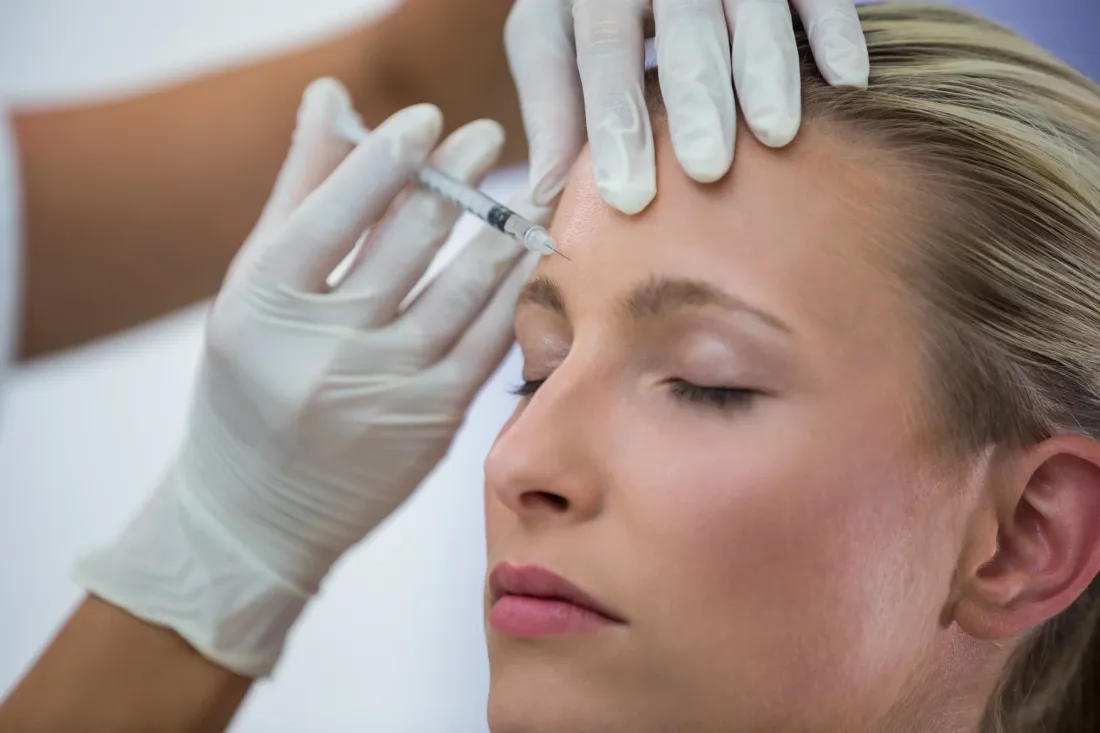
It’s the question almost every first-timer is quietly thinking: does Botox actually hurt? Here’s the honest answer, area by area, including the spots that are genuinely more sensitive than people expect.
The short answer
For most people, Botox involves only minor, brief discomfort, usually described as a quick pinch or tiny sting at each injection point. The needles used are very fine, the injections are shallow, and the whole treatment is fast (often 10 to 20 minutes). Most patients tell us afterward that the anticipation was worse than the treatment.
That said, “it barely hurts” is not the same as “you’ll feel nothing.” You will feel each injection. It’s brief, and it’s over in a second or two per point.
What it actually feels like
- A small pinch or pressure as the fine needle goes in
- Sometimes a brief sting, especially in more sensitive spots like between the brows
- Occasionally a dull ache for a few seconds afterward in heavier muscle areas
- It’s over in seconds per injection point
Not every area feels the same
This is the part most articles skip. Comfort varies quite a bit depending on where you’re being treated and how many injection points are involved.
| Area | Typically feels like | Notes |
|---|---|---|
| Forehead lines | Quick pinches, mild | Shallow injections, usually well tolerated |
| Frown lines (”11s”) | The sharpest sting of the upper face | Thicker skin and muscle here (frown lines) |
| Crow’s feet | Mild pinches | Skin is thin, but injections are very shallow (crow’s feet) |
| Lip flip | Brief sting | Small dose, very few points (lip flip) |
| Masseter (jaw) | Deeper pressure, more of an ache | Larger muscle, deeper placement (masseter Botox) |
| Underarms | Many small pinches | More injection points than the face (underarm sweating) |
| Hands or feet | The most sensitive of all | Nerve-dense areas; numbing is standard here (sweaty hands) |
None of this is meant to put you off, it’s so you know what you’re walking into. If hands or feet are on your list, read the honest expectations in our excessive sweating guide first.
What makes it more or less comfortable
A few things genuinely move the needle:
- Where you are in your cycle. Many people find they’re more sensitive in the days just before a period. If you have flexibility, book outside that window.
- Caffeine and alcohol. Both can make you more sensitive and more prone to bruising. Going easy the day before helps.
- Being rushed or anxious. Tension makes everything feel sharper. Arriving with time to spare matters more than people think.
- Injection technique. Fine needles, steady placement, and an efficient pace all reduce how much you feel.
- How many areas you’re treating. More areas means more injection points and a longer appointment, not more pain per point, but more of them.
How we keep it comfortable
Every treatment at Chrysalis Beauté is performed personally by Crystal Simm, RPN (Registered Practical Nurse). Comfort comes down to a few practical things:
- A skilled, steady hand and very fine needles
- Working efficiently so it’s over quickly
- Topical numbing cream or ice where it’s useful, always used for hands and feet, and available for anyone who wants it on the face
- Talking you through each injection before it happens, so nothing is a surprise
- A calm, unhurried appointment rather than a conveyor belt
If you’re anxious, say so when you book. It’s a common thing to mention and it changes how the appointment is paced, not something to be embarrassed about.
If you’re nervous about needles
Genuine needle anxiety is different from mild nerves, and it’s worth naming. A few things that help:
- Ask to see the needle beforehand, they’re far smaller than most people picture
- Start with one small area rather than a full treatment, so you know what you’re signing up for next time
- Bring headphones or something to focus on
- Eat beforehand. Feeling faint is usually low blood sugar plus nerves, not the treatment itself
- Tell Crystal at consultation, not at the last minute, numbing cream needs time to work
A conservative first treatment is a reasonable way to start if you want to test the waters with a smaller dose.
What about afterward?
Any tenderness afterward is usually mild and brief. You might notice small bumps or slight redness at the injection points that settle within an hour or two, and occasional light bruising. Some people get a mild headache the first day, which typically passes on its own.
Full guidance is in our Botox aftercare post, the first 24 hours are the ones that matter.
Results generally begin at 3 to 5 days and continue developing over about two weeks, so don’t judge anything early (how long Botox lasts).
When discomfort isn’t normal
Brief stinging and mild tenderness are expected. Get in touch if you notice increasing pain over the following days, spreading redness or warmth, or anything that feels clearly different from what was described to you. These are uncommon, but they’re worth a phone call rather than a wait-and-see.
Nervous about your first time?
That’s completely normal, and it’s a reasonable thing to talk through before you commit to anything. If you’ve never been to a med spa at all, our first visit guide walks through the whole appointment, and the Brampton Botox cost guide covers what to budget.
Book a free consultation with Crystal in Brampton, or call (289) 272-3379. She’ll talk through your concerns honestly before you decide anything. Learn more about Botox & neurotoxin treatments.
Considering botox & neurotoxin in Brampton?
Crystal offers a free consultation to talk through your goals and whether this treatment is right for you.
Prefer to talk? Call or text (289) 272-3379.