
Does PRP Really Work for Hair Loss?
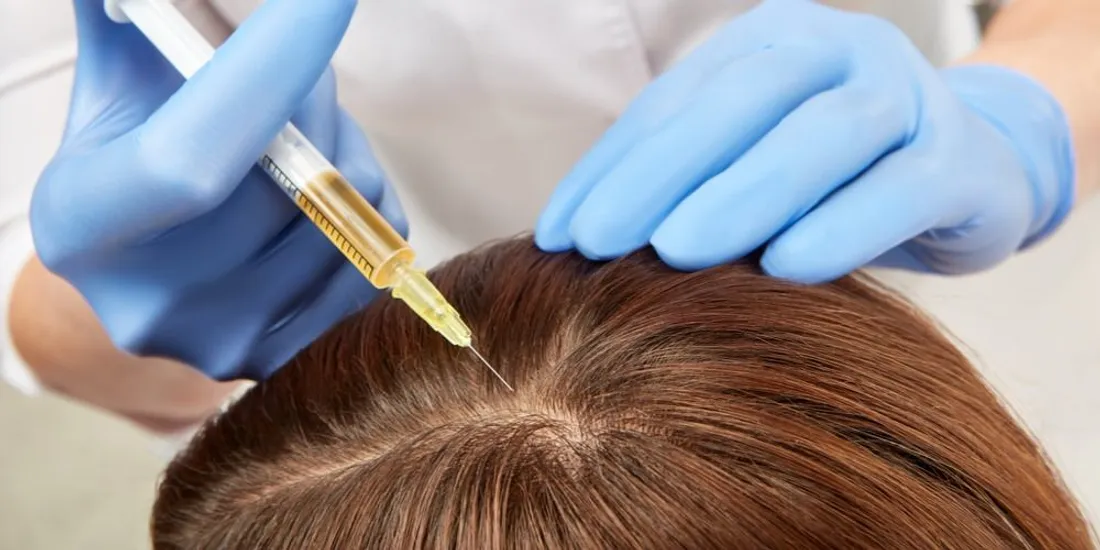
You should ask this before you commit to a series of treatments: does PRP for hair loss actually work? Here’s an honest answer, including who it tends to help, what “working” really looks like, and where its limits are.
The short answer
PRP can help support thicker, healthier-looking hair for some people. It suits early or moderate thinning, where hair follicles are weakened but still active.
It is not a guaranteed regrowth treatment. It won’t bring back hair in areas that have been bald for a long time, because follicles there are usually no longer active. Anyone promising guaranteed results isn’t being straight with you. Individual results vary.
So the honest answer is “it can, for the right person, with realistic expectations.” The rest of this article is about working out whether you’re that person.
What PRP is actually trying to do
PRP stands for platelet-rich plasma. A small sample of your blood is drawn and spun in a centrifuge to concentrate the platelets. Those platelets are then carefully reintroduced into the thinning areas of the scalp.
The aim is to support your follicles’ natural processes so the hair you still have can look fuller and healthier over time. It works with what’s there. It doesn’t create new follicles, and it doesn’t move hair from one place to another. That’s what a transplant does, which is covered in PRP vs hair transplant.
If you want the basics of how PRP is used for both hair and skin, start with PRP for hair and skin.
What “working” looks like
The word “works” means different things to different people. That gap causes most of the disappointment around PRP, so it helps to define it up front.
| Realistic signs PRP is helping | What PRP isn’t designed to do |
|---|---|
| Hair that looks a little fuller or denser over time | Fill in a long-bald area |
| A part line or crown that looks less see-through | Restore a hairline that receded years ago |
| Hair that feels healthier and stronger | Show a visible change after one session |
| Thinning that seems to slow or settle | Stop hair loss permanently with no maintenance |
The left column is a real result for many people. It’s also a gradual one. Taking your own photos in the same light at the start, and again every couple of months, is the most reliable way to see it. Day to day in the mirror, it’s very hard to notice.
Who tends to see results
- People with early or moderate thinning rather than long-established baldness
- Those who start sooner rather than later, while more follicles are still active
- People who complete the full program instead of stopping after one or two sessions
- Those who keep up with maintenance once the core program is done
- People whose hair loss has been checked by their doctor where needed, so any underlying cause is addressed too
PRP works gradually and cumulatively. That’s why we offer hair restoration as a 5-session program rather than a one-off.
Why results vary from person to person
Two people can do the same program and see different outcomes. Some of the reasons:
- Stage of hair loss. The more active follicles there are, the more PRP has to work with.
- The cause of the thinning. Gradual pattern thinning is different from sudden shedding after illness, stress or having a baby. Some shedding settles on its own, like most postpartum hair loss, and some needs a doctor’s input first.
- Consistency. Missed or widely spaced sessions make it harder to build results.
- Your own biology. PRP uses your own platelets, and people simply respond differently.
This is why we won’t promise an outcome before seeing your scalp, and why we’d rather tell you PRP isn’t a fit than sell you a program that won’t help.
How long before you know
PRP is slow by nature. Changes typically become noticeable over several months as the program progresses, not in the first few weeks.
At the end of the core program, Crystal reviews your progress with you and gives an honest read: is it helping enough to be worth maintaining? Many people who see a benefit keep it going with a top-up every 6 to 12 months. How long results tend to last, and what to do after each session, is covered in PRP aftercare and how long results last.
Is it worth the cost?
PRP at Chrysalis Beauté starts from $499 per session. The 5-session hair program is quoted as a package at your consultation. The full breakdown, including what drives the cost and what maintenance looks like, is in PRP hair restoration cost and sessions.
Whether it’s worth it depends almost entirely on whether you’re a good candidate. For someone with early thinning who completes the program, it can be good value. For someone with long-established baldness, it isn’t, at any price.
How PRP compares with other options
- Minoxidil and prescription medication work through different mechanisms. Some people use them alongside PRP. Talk to your doctor about medication, and see PRP vs minoxidil for how the two compare.
- A hair transplant suits more advanced loss, where there’s nothing left to support. We don’t perform transplants, but we’ll tell you honestly if surgery looks like the better route.
If you’re already using a medication or working with a surgeon, tell Crystal at your consultation so the plan fits around it.
Who PRP may not be right for
- Your loss is long-established baldness rather than thinning
- You’ve had sudden or patchy hair loss that hasn’t been checked by your doctor
- You’re pregnant or breastfeeding; elective treatments are generally postponed
- You have a blood or platelet disorder, or take medication that affects clotting. Tell Crystal what you take, and never stop a prescribed medication for a cosmetic treatment.
- You want a fast or one-time result
Your full medical history is reviewed at consultation.
Common questions
Does PRP regrow hair? It’s better described as supporting the hair you have. Some people notice fuller-looking hair as weakened follicles are supported, but it doesn’t create new follicles or regrow hair in long-bald areas.
Can PRP stop hair loss completely? No treatment can promise that. PRP may help slow or settle thinning for some people, and maintenance top-ups are usually needed to keep any benefit.
What happens if I stop? Any benefit tends to fade gradually over time, because the underlying cause of the thinning hasn’t gone away. That’s why top-ups are common.
Does it hurt? It involves a blood draw and small injections into the scalp. Most people describe it as uncomfortable rather than painful. Appointments take about 45 to 60 minutes, and mild tenderness afterward is common and short-lived.
Who performs PRP at Chrysalis Beauté? Every treatment is performed personally by Crystal Simm, RPN, a Registered Practical Nurse with the College of Nurses of Ontario.
Want a straight assessment?
A blog post can’t tell you if PRP will work for you. A look at your scalp can. Book a free consultation with Crystal Simm, RPN, in Brampton, or call / text (289) 272-3379. She’ll tell you honestly whether PRP hair restoration is likely to help. If it would be your first visit, what to expect at a first med spa visit walks you through the consultation.
Considering prp treatments in Brampton?
Crystal offers a free consultation to talk through your goals and whether this treatment is right for you.
Prefer to talk? Call or text (289) 272-3379.