
Filler for Marionette Lines: How It Works and What to Expect
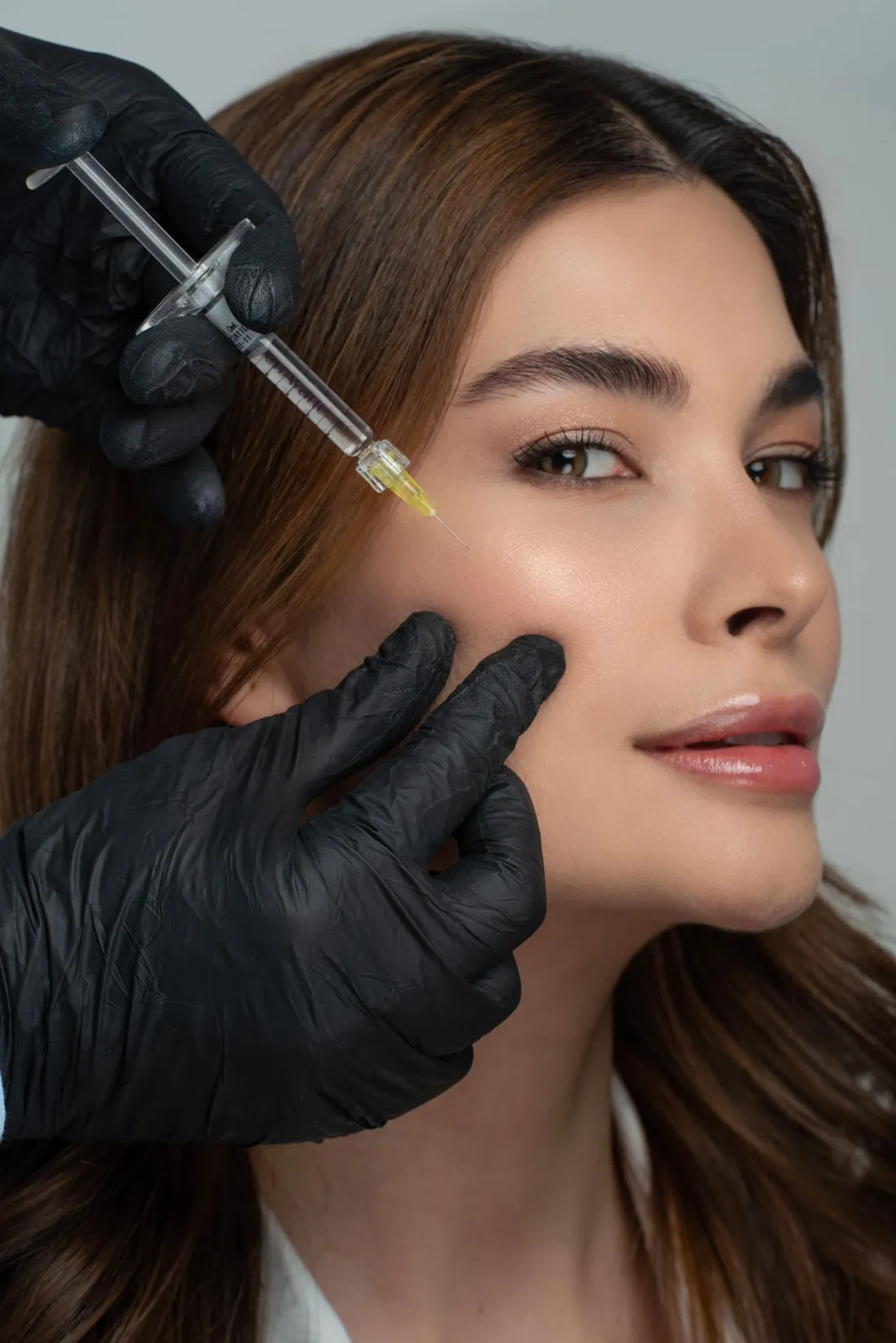
Marionette lines are the creases that run from the corners of the mouth down toward the chin. They can make you look sad or stern when you feel perfectly fine, which is usually the reason people bring them up at a consultation. Filler is a common way to soften them, and where it goes matters as much as how much is used.
The short answer
Filler for marionette lines is hyaluronic acid gel placed along the fold and the area beside the chin to add back support. In many faces, the cheeks are assessed as well, because lost volume higher up often contributes to the fold. Filler can soften a mild to moderate line, and the change is visible right away, settling over about two weeks. It typically lasts 9 to 12 months, and it doesn’t tighten loose skin. Crystal confirms what’s realistic for your face, and your marionette line filler in Brampton plan and price, at a free consultation.
What marionette lines are
The name comes from the hinged jaw of a marionette puppet. The lines are vertical folds that develop from the corners of the mouth downward, and the corners themselves can start to turn down slightly along with them.
They’re easy to confuse with two neighbouring concerns, and each one has a different plan:
| What you’re pointing at | Where it is | Where to read more |
|---|---|---|
| Marionette lines | Corners of the mouth down toward the chin | This article |
| Smile lines (nasolabial folds) | Sides of the nose to the corners of the mouth | Smile line filler |
| Jowls | Along the jaw, on either side of the chin | Filler for jowls |
Why they form
A few things tend to work together over time:
- Volume loss in the cheeks and mid-face, which reduces the support above the mouth
- Skin changes, with less collagen and elasticity as we age
- Repeated movement around the mouth, along with gravity
Because lost support is such a large part of it, treatment usually focuses on restoring support. That’s what dermal filler is designed to do, and our guide to what dermal fillers are and how they work covers the basics if this would be your first time.
How filler for marionette lines works
Hyaluronic acid filler adds volume where it’s placed. For marionette lines, there are three broad approaches, and the consultation decides between them:
| Approach | When it tends to fit | The trade-off |
|---|---|---|
| In the fold and beside the chin | The cheeks still have good support and the crease itself is the concern | Softens the line directly, but too much can make the area around the mouth look heavy |
| Cheek support first | The mid-face has flattened and the fold has deepened along with it | Addresses support from above, though the line itself may still need some product later |
| A combination | Both the cheeks and the lower face have changed | Often a small amount in each area, built gradually |
Crystal assesses your whole lower face and mid-face before recommending where product goes. That can mean suggesting cheek filler or chin filler when the line you came in about isn’t the whole story. It can also mean a smaller plan than you expected.
Filler or Botox for marionette lines?
Filler is the usual starting point, because a marionette line that shows at rest is mostly about volume and support. Botox relaxes muscle movement and doesn’t add volume, so it won’t fill a fold. Our guide to Botox vs fillers explains the general rule, and Crystal will tell you at your consultation if she thinks another option makes more sense for your face.
What filler can and can’t do here
| Can it help with… | Honest answer |
|---|---|
| Softening a mild to moderate fold that shows at rest | Yes, this is the main use |
| Mouth corners that look slightly downturned | Often, by adding support beside and below them |
| Erasing the line completely | No, and aiming for that tends to look overfilled |
| Loose, sagging skin in the lower face | No, filler adds volume and doesn’t tighten skin |
| Jowling along the jaw | Sometimes, with its own plan, see filler for jowls |
| A very deep fold from significant skin laxity | Softened at most, and Crystal will be upfront about the limits |
Who it may not be right for
There are times Crystal will recommend waiting, trying something else, or not treating at all:
- You’re pregnant or breastfeeding. Filler isn’t offered in either case.
- You have an active infection, rash, breakout or cold sore near the area. That means rescheduling for when it has cleared.
- You have an important event in the next two weeks. Swelling and bruising can look uneven while they settle.
- You take blood thinners, or supplements or anti-inflammatories that affect bleeding. This changes your bruising risk and needs discussing first. Never stop a prescribed medication on your own.
- You’ve had filler in the area before and don’t know what was used. Crystal will want that history, and filler migration explains why.
- Your main concern is loose skin. Adding more filler to it tends to make the lower face look heavier without tightening anything.
How much filler it takes and what it costs
There’s no fixed number, and a quote given before anyone has assessed your face is a guess. As a general range, the area often takes one to two syringes. Both sides may not need the same amount, and the total can be larger if the cheeks or chin are part of the plan.
Marionette line pricing varies with that plan. Filler at our practice starts from $499 per syringe, and your exact price is confirmed at a free consultation. Our dermal filler cost guide explains how pricing works from one area to the next.
Crystal generally prefers to place a conservative amount, let it settle, and reassess. You can always add more later, while removing product is a bigger decision.
What to expect
- Consultation. Crystal reviews your medical history and looks at your lower face at rest and in movement to work out where support is needed.
- Treatment. The area is cleaned and numbed, then filler is placed with a fine needle or a cannula. Expect about 30 to 45 minutes.
- Right after. Mild swelling, tenderness and possible bruising are common, and the area can feel slightly firm for a few days.
- The first two weeks. Swelling eases and the product settles, so judge the result at two weeks instead of on day two.
Most people go back to normal activities the same day. These are typical patterns, and they vary from person to person. If something looks or feels unexpected afterward, such as increasing pain or colour changes in the skin, contact the practice right away instead of waiting it out.
How long it lasts
Filler around the mouth typically lasts 9 to 12 months, because the area moves every time you talk, eat or smile. How long yours lasts also depends on the product used, how much was placed and your own metabolism. As the filler gradually breaks down, the fold slowly returns toward how it looked before. Some people choose a maintenance treatment when they notice the change, and others decide not to continue.
Marionette filler FAQ
Does filler get rid of marionette lines? It softens them. A mild to moderate line can look less deep at rest, but the goal isn’t to erase it. Filler also can’t tighten loose skin, so Crystal will tell you if skin laxity is the bigger factor for you.
Where does the filler go? Usually along the fold and in the area beside the chin. Crystal may also recommend treating the cheeks if lost mid-face volume is contributing, and sometimes that comes first.
How many syringes do marionette lines need? Often one to two, depending on the depth of the lines and whether other areas are part of the plan. Crystal confirms the number at your consultation.
Does it hurt? The area is numbed first to keep you comfortable, and some tenderness afterward is common. Sensitivity varies from person to person, so tell Crystal how you’re feeling as she works.
Can marionette filler be dissolved? Hyaluronic acid filler can usually be dissolved with an enzyme if needed. Dissolving lip filler explains how that process works and what it can and can’t fix, and the same principles apply to other areas.
Can I treat smile lines at the same time? Sometimes, and it can make sense because both folds are often related to changes in the cheeks. Crystal will look at the whole lower face and plan it with you, including whether it’s better to build across more than one visit.
Who performs the treatment
The area around the mouth sits close to important anatomy, so it should be treated by a clinically trained injector who can assess that anatomy and manage a complication if one arises. Every treatment at our practice is performed by Crystal Simm, RPN (Registered Practical Nurse). If this would be your first appointment with us, what to expect at a first med spa visit covers the consultation and the questions worth asking any injector.
Talk it through with Crystal
If you’re not sure whether what you see is a marionette line, a jowl or a change in the cheeks, a consultation will sort that out. Sometimes the honest answer is that filler isn’t the right fit, and Crystal will tell you if that’s the case.
Book a free consultation with Crystal Simm, RPN, in Brampton, or call / text (289) 272-3379 to talk it through first.
Considering smile line filler in Brampton?
Crystal offers a free consultation to talk through your goals and whether this treatment is right for you.
Prefer to talk? Call or text (289) 272-3379.