
Dissolving Lip Filler: How It Works and When to Consider It
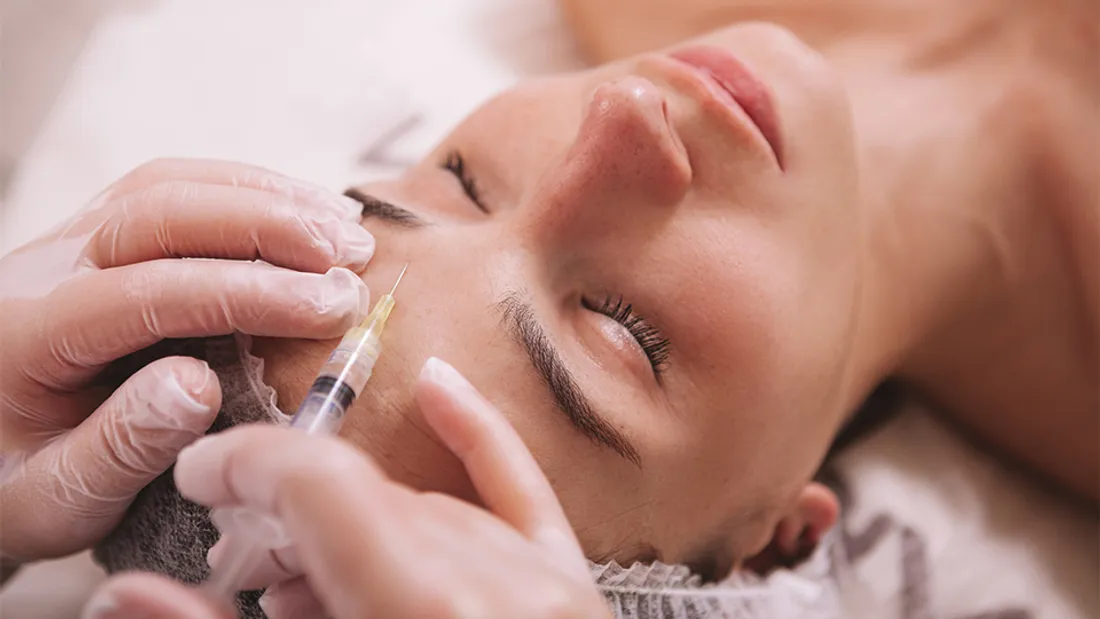
One of the reassuring things about hyaluronic-acid lip filler is that it isn’t permanent, and if needed, it can be dissolved. It’s one of the questions we’re asked most often at consultation, usually by people who had filler somewhere else and aren’t happy with it. Here’s an honest walkthrough of how dissolving works, what it can and can’t fix, and what happens afterward.
How dissolving filler works
Most modern lip dermal fillers are made from hyaluronic acid (HA), a sugar molecule your body already produces. HA filler can be broken down with an enzyme called hyaluronidase, which is injected into the area in small amounts. It begins breaking the filler down quickly, and the area is then allowed to settle.
This is a large part of why HA fillers are considered a more forgiving, lower-commitment option than permanent or semi-permanent fillers, there’s a path to undo or adjust them. If you’re new to the category, what dermal fillers are covers the basics of how the products differ.
Two important points that often get lost online:
- Hyaluronidase only works on HA filler. If someone was treated with a non-HA or permanent product, dissolving isn’t an option, and the plan is different.
- It isn’t perfectly selective. The enzyme breaks down the filler in the area and some of your own natural hyaluronic acid. Your own HA replenishes on its own over the following weeks, but it’s why lips can look flatter than your natural baseline at first.
Why people choose to dissolve
| Reason | What dissolving typically does |
|---|---|
| Migration, product sitting above the lip border | Addresses the misplaced product; see filler migration |
| Overfilled or heavier than wanted | Reduces volume so the area can be rebuilt more conservatively |
| Uneven or asymmetric result that hasn’t settled | Resets the area so shape can be re-approached |
| Firm lumps that persist well past the healing window | Often helps, though the cause matters, assessment first |
| Wanting a fresh start before a different look | Clears existing product so a new plan isn’t built on old work |
| A complication requiring urgent management | Hyaluronidase is the tool injectors use in that situation, which is one reason treatment belongs with a clinically trained provider |
What dissolving won’t fix
This is the part worth being clear about before you book:
- It won’t undo lip texture or skin laxity. If lips have carried a lot of product for years, the tissue may look loose or deflated once it’s dissolved. This often improves over the following weeks, but not always back to an exact prior state.
- It won’t fix swelling that simply hasn’t settled yet. Lips swell more than most areas. If you’re only a few days out from treatment, you’re not looking at your result yet, lip filler aftercare sets out the normal healing timeline.
- It won’t give you a specific new shape on its own. Dissolving is the reset, not the result. Any new shape comes later, from a fresh treatment plan.
- It isn’t a substitute for a conversation. Sometimes what someone reads as “too much filler” is placement or product choice, and a small adjustment gets there without dissolving everything.
Who it may not be right for
Crystal will go through your full history at consultation, and there are situations where dissolving is delayed or isn’t appropriate:
- A known allergy to hyaluronidase, or a previous reaction to it
- Active infection, cold sore outbreak, or broken skin near the treatment area
- Pregnancy or breastfeeding
- An event in the next few weeks, the area needs time to settle, and this is not a treatment to rush before a wedding or a photo
- Uncertainty about what product was used. If you had filler elsewhere and don’t know what it was, that needs sorting out first
What to expect
- Consultation, Crystal assesses your lips, asks what was placed and when, and confirms whether dissolving is the right step or whether something smaller would do.
- Treatment, the area is cleaned, and hyaluronidase is injected in small amounts. The appointment itself is short. Most people describe a brief sting.
- The first 24 to 48 hours, swelling is common and can be noticeable, sometimes more than after the original filler. Bruising is possible.
- Settling, the area usually looks its flattest in the first week or two and continues to settle after that. Crystal will tell you how long to wait before judging it.
- Reassessing, once things have settled, you decide whether to leave the lips as they are or rebuild.
Sometimes more than one session is needed, particularly where there’s a lot of product or it’s been layered over several years. That isn’t a failure of the first session, it’s how the process often goes.
Rebuilding afterward
If you do want filler again, it’s generally treated as a fresh start rather than a top-up. Crystal will usually recommend waiting until the area has fully settled before placing anything new, then building conservatively, one syringe, reassess, add later if wanted. Removing is a bigger decision than adding, which is the whole argument for going slowly.
If you’re planning a new shape, lip filler shapes walks through the common looks side by side, and Russian lips covers one technique people often ask for by name. For what a rebuild tends to cost, see our lip filler cost guide for Brampton. Longevity after a rebuild is the same as any lip treatment, commonly 6 to 12 months, though it varies (how long lip fillers last).
If this would be your first treatment with us, what to expect at a first lip filler appointment is a useful read beforehand.
An honest note
Dissolving is a useful tool, but the goal is always to avoid needing it, which comes down to conservative dosing, skilled placement, and being honest at consultation about what a treatment can and can’t do. If you’re unhappy with previous filler done elsewhere, an in-person assessment is the right starting point; it’s difficult to give useful advice on lips from a photo.
Every treatment at our practice is performed personally by Crystal Simm, RPN (Registered Practical Nurse).
Thinking about dissolving?
Book a free consultation with Crystal in Brampton, or call (289) 272-3379. She’ll assess your lips and give you a straight answer on whether dissolving is the right move, or whether a smaller adjustment would get you where you want to be.
Considering lip fillers in Brampton?
Crystal offers a free consultation to talk through your goals and whether this treatment is right for you.
Prefer to talk? Call or text (289) 272-3379.